Insights / Property Buyers
What Victorian property buyers need to know about methamphetamine contamination
25 May 2026 · 7 min read
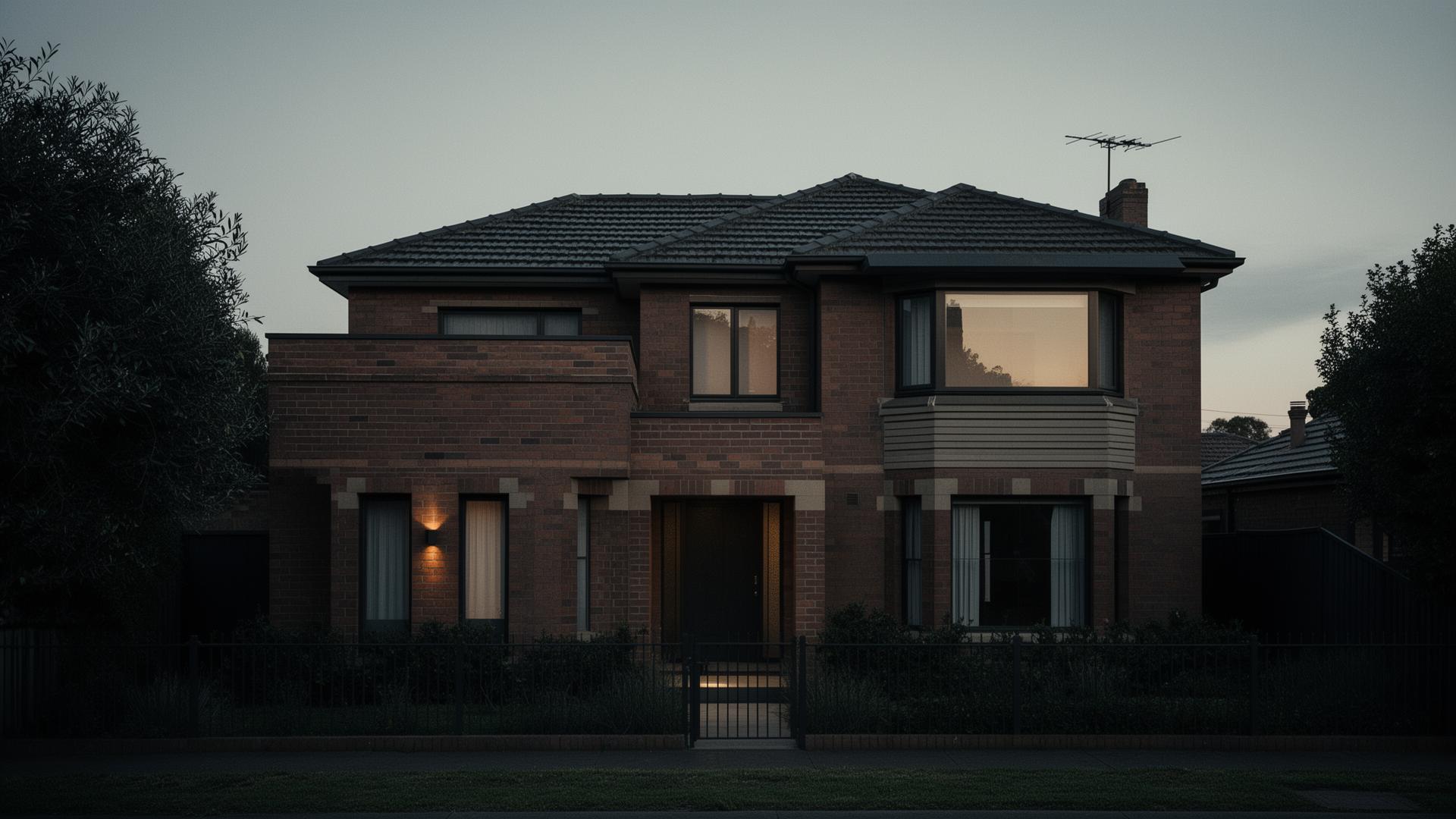
Most Victorian property buyers go through the purchase process — the building inspection, the pest inspection, the conveyancing review, the contract negotiation — without ever asking whether the property they are about to buy has been used to make or use methamphetamine. The question rarely comes up because no one in the standard property transaction is responsible for asking it. The building inspector is checking structural integrity and pest activity. The conveyancer is reviewing title and contract. The selling agent has no obligation to disclose what they don't know. The vendor statement covers only what the seller is required to disclose, and methamphetamine contamination is not a mandated disclosure item in Victoria.
This is the gap SafeTrace Biohazard exists to close.
How common is methamphetamine contamination in Victoria?
Wastewater analysis published quarterly by the Australian Criminal Intelligence Commission consistently identifies Victoria as one of the highest methamphetamine consumption states per capita. The contamination is not limited to clandestine drug manufacturing sites — although those exist and are extensively documented. The more common scenario in residential property is contamination from chronic smoking of methamphetamine inside a closed building over months or years. Both scenarios leave detectable residue on surfaces that persists long after the property changes hands.
There is no public register of contaminated properties in Victoria. There is no requirement for testing before sale or lease. There is no obligation on the previous occupant to disclose. For most properties, the only way to know the contamination history is to test for it.
What does contamination look like?
The honest answer is that methamphetamine contamination is usually invisible. The substance leaves no smell once it has dissipated, no visible residue on most surfaces, and no obvious damage to the property. Properties that have been contaminated and subsequently cleaned by ordinary cleaning methods will pass any visual inspection. Properties that have been freshly painted will pass any visual inspection. The contamination remains on the surfaces beneath the paint, in the carpet fibres, in the curtain fabric, in the ceiling cavities, and in the air handling pathways of the property.
Methamphetamine residue is detected by surface wipe sampling — drawing a swab across a defined area of surface and submitting it to a NATA-accredited partner laboratory for analysis using liquid chromatography tandem mass spectrometry. The method is highly sensitive and can detect residue at concentrations well below the Australian threshold of 0.5 micrograms per 100 square centimetres for habitable surfaces.
What happens after settlement if you find contamination?
This is the question that matters most for buyers, and the answer is uncomfortable. Once settlement has occurred, liability for the property shifts to the buyer. Recovering decontamination costs from the seller requires proving that the seller knew or should have known about the contamination at the time of sale — and proving it through litigation, which is slow, expensive, and rarely produces full recovery. Most disputes of this kind settle for a fraction of the actual remediation cost, and the buyer absorbs the rest.
The insurance position is similarly difficult. Most home and contents insurance policies do not cover methamphetamine contamination by default. Where they do, they typically exclude contamination present at the time the policy was taken out. Buyers who discover contamination post-settlement frequently find themselves with no insurance recovery available.
The practical consequence is that the time to test for contamination is before contracts become unconditional, not after settlement. A pre-purchase test costs a fraction of what one hour of post-settlement legal advice costs, and the absence of one can compound into tens of thousands of dollars of unrecoverable expense.
Which properties are higher risk?
There is no demographic, suburb, or price bracket that is exempt from contamination risk. SafeTrace has tested luxury bayside properties, mid-range family homes, inner-city apartments, and suburban rentals — and contamination has been found across all categories. That said, certain risk indicators warrant particular attention:
Properties recently sold by mortgagee sale, deceased estate, or distressed sale — where the previous occupants are unknown or unverifiable. Properties that have been used as rental accommodation for sustained periods, particularly short-term or transient rental. Properties with documented police attendance history. Properties with unexplained recent repainting, recarpeting, or rapid pre-sale cosmetic improvements. Properties in postcodes consistently flagged in wastewater data.
None of these are guarantees of contamination — but each is a reason to consider testing as part of due diligence.
What does testing involve?
A SafeTrace residential inspection takes approximately 60 to 90 minutes on site. Our technician undertakes a visual assessment of the property, identifies sample locations based on the property layout and any risk indicators, collects surface wipe samples using NIOSH 9111 methodology, documents chain of custody, and submits the samples to our NATA-accredited partner laboratory. Results are typically returned within 72 hours, and a bound report is delivered with sample locations, laboratory results, methodology references, and where applicable, signed clearance against the Australian threshold.
The report is structured to be defensible — accepted at VCAT, by insurers, and on property disclosures. If the property tests above the threshold, the report serves as a basis for negotiating with the vendor, for withdrawing from the contract subject to condition, or for proceeding with full knowledge of remediation requirements.
When to walk away
A contaminated property is not always a property to walk away from. The remediation pathway is well-established, the chemistry is understood, and a property that has been properly remediated and certified is functionally indistinguishable from a property that was never contaminated. The decision to proceed or withdraw is a financial and emotional calculation, not a binary one.
The cases where we recommend walking away are specific: contamination at extreme levels (typically above 10 µg/100cm²) where remediation requires substantial structural work; contamination in buildings with construction methods that make remediation impractical (heritage properties with original lath and plaster, certain types of solid masonry); and any case where the vendor refuses to negotiate on price to reflect remediation cost and the buyer is not willing to absorb the cost themselves.
For everything between those extremes, contamination is a negotiating position. A documented inspection report puts the buyer in control of the conversation. The absence of one leaves the buyer guessing.
What to do next
If you are considering a property in Victoria and want to include methamphetamine testing in your due diligence, the practical path is to engage testing before your finance contingency or building inspection contingency expires. This preserves your contractual right to withdraw or renegotiate based on the findings. Booking an inspection takes a few minutes and the property visit is usually arranged within two to five business days depending on access.
For further information or to discuss whether testing is appropriate for a property you are considering, contact SafeTrace on 0400 407 896.